
Hair Restoration
PRP Hair Loss Treatment
Clinically proven — restore density, strengthen and regrow
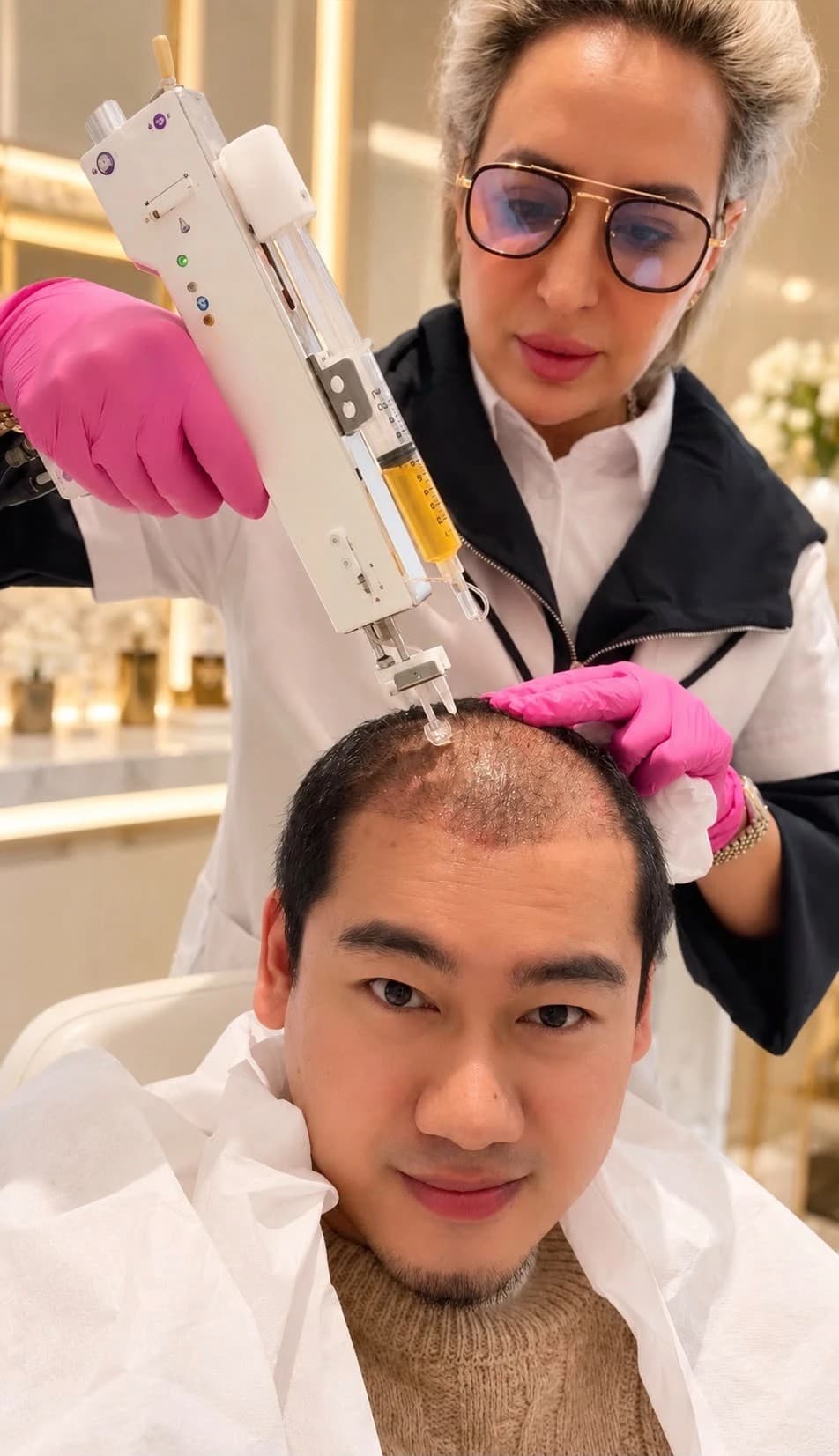
PRP Hair Restoration & Hair Loss Treatment in London
Standard PRP & Advanced PRP Cellular Matrix with Biotin — Hair Restoration • Hair Regrowth • Scalp Rejuvenation
At YourHealthFirst Clinic in London, we offer personalised PRP hair restoration treatments designed to support scalp health, hair density and the appearance of thinning hair.
Our hair restoration treatments use your own blood to prepare platelet-rich plasma (PRP), which is then carefully administered into the scalp. PRP contains platelets and growth factors involved in tissue repair and cellular signalling.
For selected patients, we also offer an advanced PRP Cellular Matrix with Biotin treatment as part of an individualised hair restoration programme.
PRP has been studied particularly in androgenetic alopecia (male and female pattern hair loss), with systematic reviews reporting potential improvements in hair density, although results vary between individuals and treatment protocols.
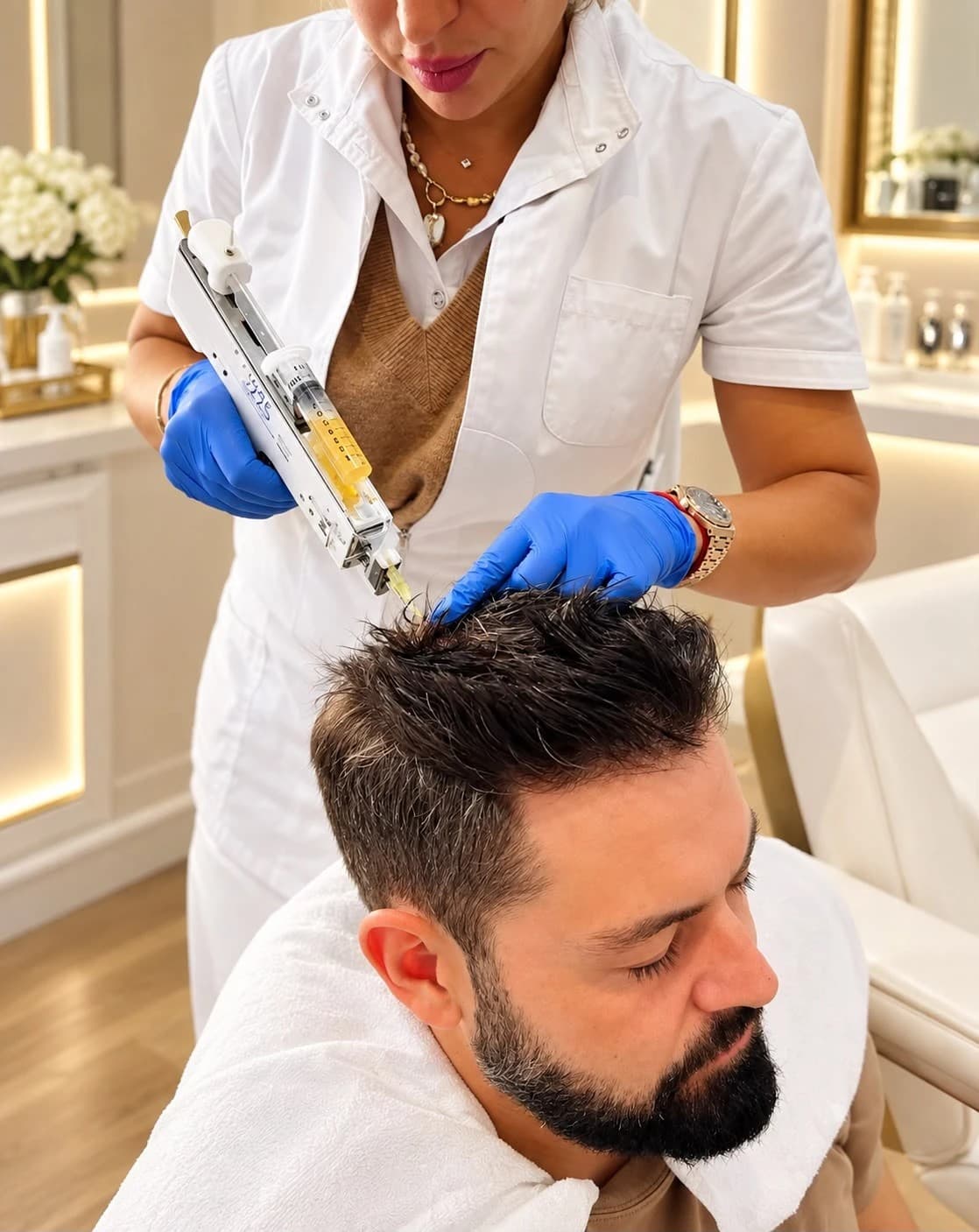
What Is PRP Hair Restoration?
Platelet-Rich Plasma (PRP) therapy for hair loss is a minimally invasive treatment using a patient's own blood.
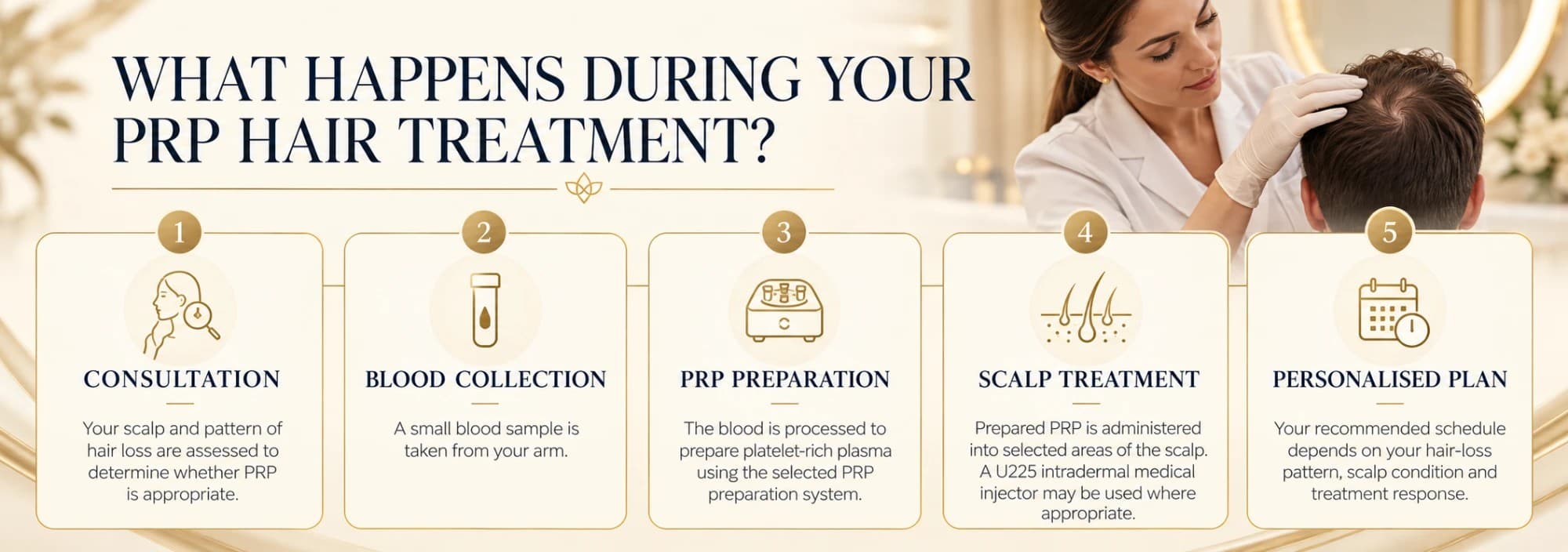
The treatment involves three main steps:
- Blood collection: A small amount of blood is taken from your arm.
- PRP preparation: The blood is processed to separate and concentrate the platelet-rich plasma.
- Scalp treatment: The prepared PRP is administered into selected areas of the scalp.
Platelets contain growth factors and signalling proteins that are involved in tissue repair, cell activity and blood-vessel formation. These biological properties are one of the reasons PRP has been investigated as a treatment for hair loss.
PRP for Hair Loss & Hair Regrowth
Hair loss can have many causes, including genetic, hormonal, autoimmune, nutritional and other medical factors.
PRP hair treatment may be considered as part of an individualised treatment plan for suitable patients experiencing:
The aim is to support the scalp environment and existing hair follicles rather than simply treating the visible symptom of hair loss.
Results vary from person to person, and PRP is not a guaranteed cure for hair loss.
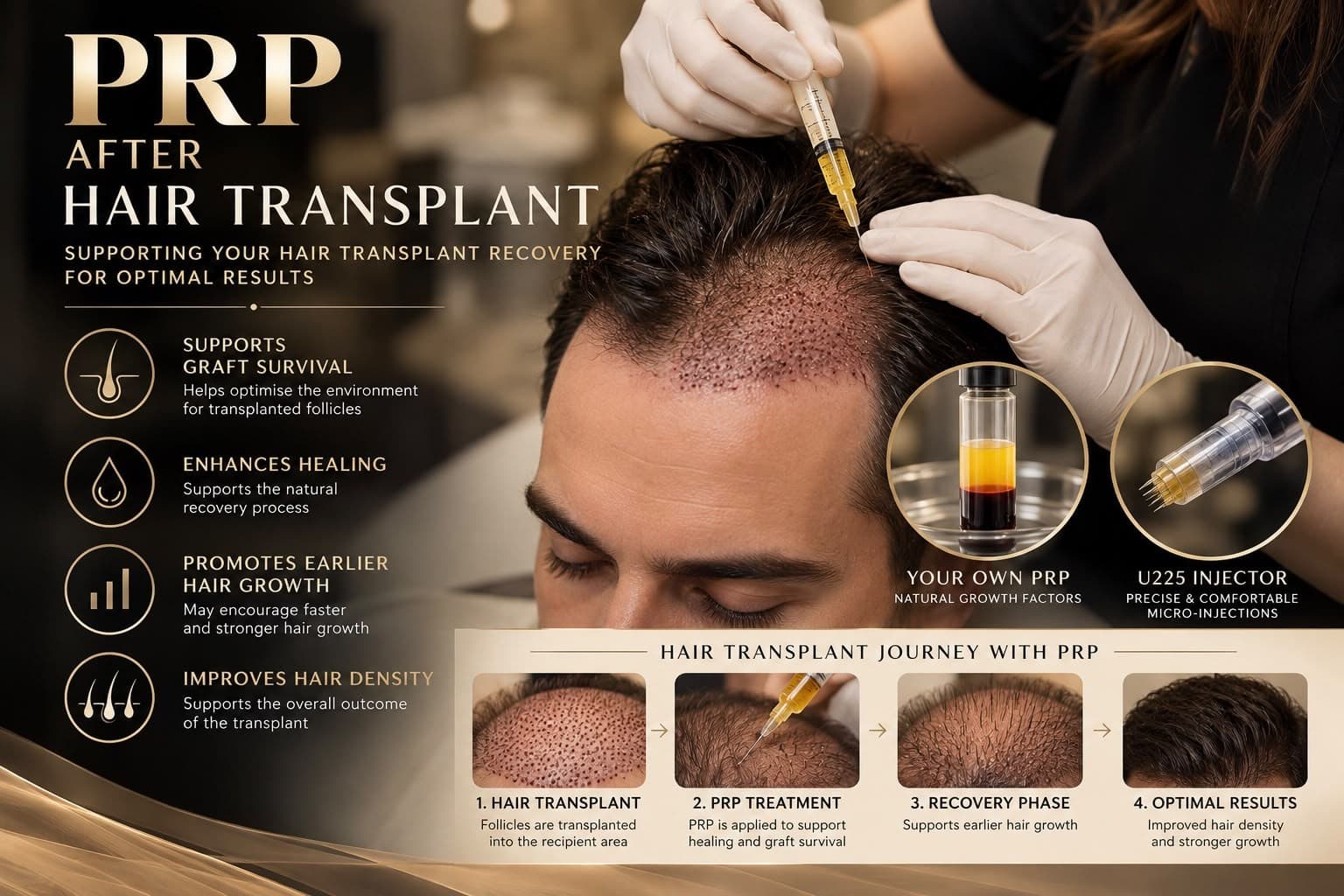
PRP After Hair Transplantation
Supporting Your Hair Transplant Recovery
PRP can be used as an adjunctive treatment following hair transplantation, including after procedures such as FUE, as part of an individualised post-transplant hair restoration programme.
During a hair transplant, follicles are removed from a donor area and implanted into areas affected by hair loss. After transplantation, the newly placed grafts undergo a period of healing and gradual growth.
PRP may be considered alongside your transplant programme to support the scalp environment and the recovery of transplanted follicles.
Research investigating PRP alongside hair transplantation has reported potential benefits including:
- Supporting follicle survival
- Supporting the healing environment of the scalp
- Earlier initiation of visible hair growth in some patients
- Supporting hair density during the post-transplant growth period
- Supporting the surrounding existing hair
- Helping optimise the overall hair-restoration programme
A 2025 systematic review found that the available controlled studies generally reported better outcomes when PRP was added to hair transplantation, including increased hair density, follicle survival and earlier hair growth. However, the authors also highlighted substantial differences between studies in PRP preparation, timing and treatment protocols.
When Can PRP Be Used After a Hair Transplant?
The timing of PRP after transplantation should be determined by your hair-transplant surgeon or treating practitioner.
PRP for Androgenetic Alopecia — Male & Female Pattern Hair Loss
Androgenetic alopecia, also known as male or female pattern hair loss, is one of the most common forms of progressive hair thinning. It is influenced by genetic and hormonal factors and can affect both men and women.
PRP has been investigated extensively for androgenetic alopecia. A 2024 systematic review of clinical studies found that several studies reported improvements in hair density and hair count following PRP, while also highlighting limitations including heterogeneity and risk of bias.
Another 2024 systematic review and meta-analysis found evidence suggesting that autologous PRP may increase hair density in androgenetic alopecia, but described the evidence as low quality because of significant study heterogeneity and publication bias.
This means PRP can be a useful treatment option for selected patients, but results cannot be guaranteed.
PRP & Alopecia Areata
Alopecia areata is an autoimmune condition that can cause sudden, patchy hair loss.
PRP has also been investigated for alopecia areata, but the evidence is less established than for androgenetic alopecia. A systematic review found PRP to be a promising treatment option, while another meta-analysis found no significant difference compared with corticosteroid treatment for the main outcome studied.
For this reason, patients with suspected or diagnosed alopecia areata should have an appropriate medical assessment before treatment.
How Does PRP Hair Treatment Work?
PRP contains platelets and naturally occurring growth factors involved in tissue repair and cellular communication.
When PRP is introduced into selected areas of the scalp, the objective is to support the local tissue environment and potentially encourage activity around existing hair follicles.
Research suggests PRP may improve measures such as hair density in some patients with androgenetic alopecia, but treatment protocols differ and individual outcomes vary.
When Will I See Results?
PRP hair restoration is not an instant treatment.
Hair growth is a gradual biological process, so changes may develop progressively over several months. Some patients may notice changes earlier, while others require a longer course of treatment.
Your results will depend on factors including:
No hair restoration treatment can guarantee regrowth in every patient.
Why Choose YourHealthFirst Clinic for PRP Hair Restoration?
At YourHealthFirst Clinic, PRP hair restoration is approached as a personalised medical-aesthetic treatment rather than a one-size-fits-all procedure.
With over 10 years of experience in hair loss and PRP Hair Restoration, Sofia Bouzian combines extensive clinical experience with advanced regenerative treatment approaches to provide personalised care for patients experiencing hair thinning and hair loss.
Sofia's expertise has also been recognised internationally, having been a speaker on Alopecia and Hair Loss at Sharm Derma 2022 in Cairo, Egypt, through the American Association of Continuing Medical Education, in collaboration with the Egyptian Society of Aesthetic Dermatology and the International Society for Dermatologic Surgery.
Our approach focuses on:
- Personalised assessment: Every patient is assessed individually.
- Your own blood: PRP is prepared from your own blood.
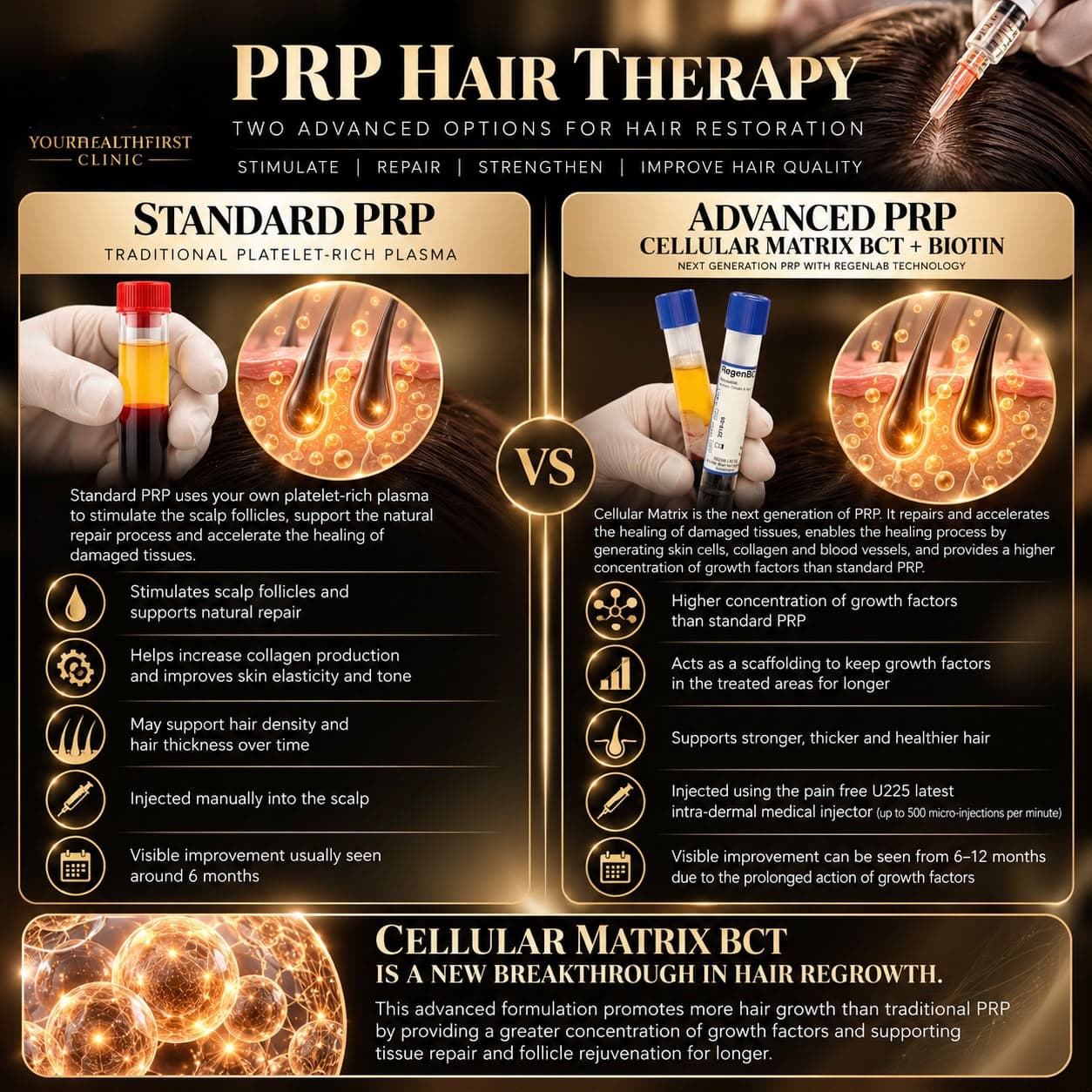
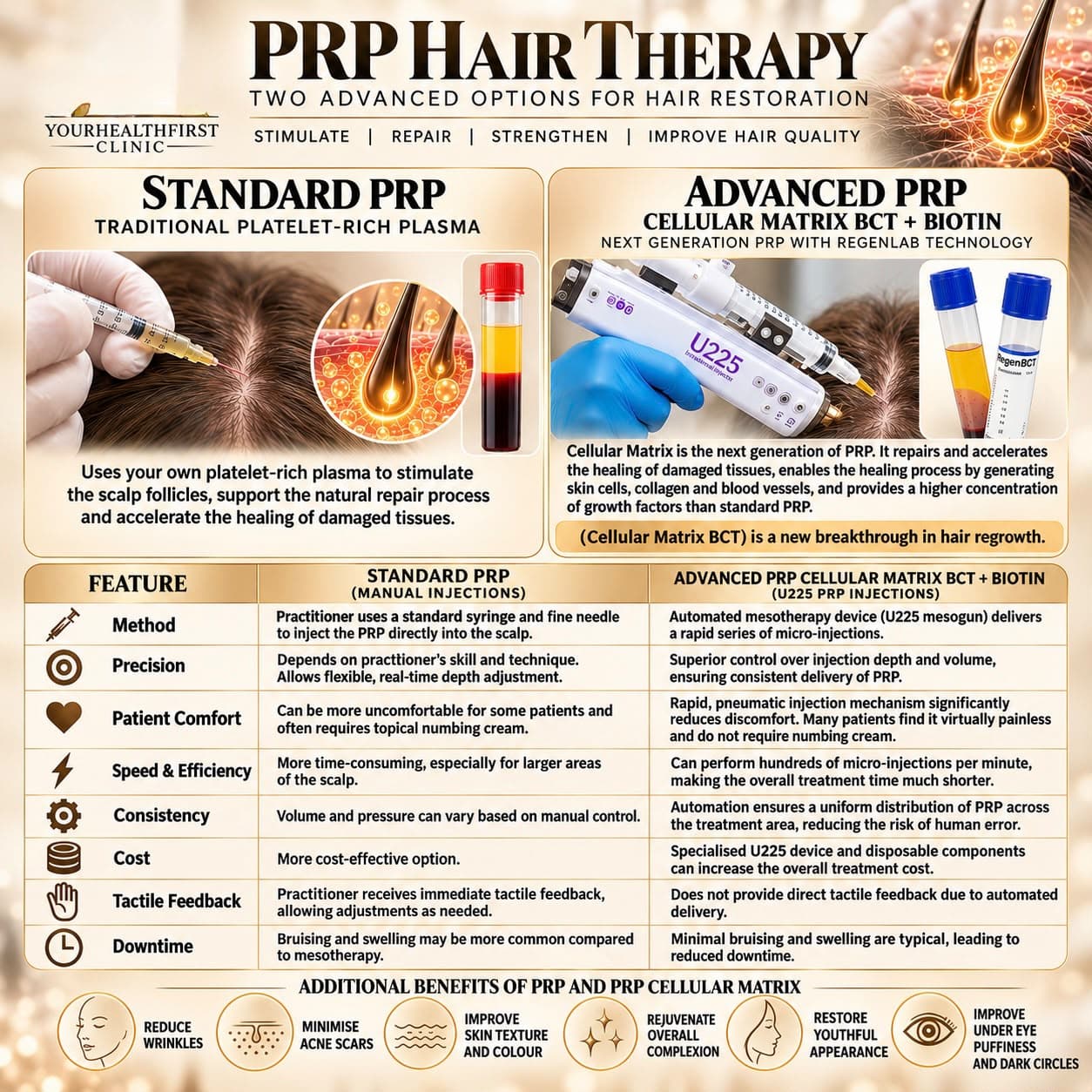
- Advanced PRP options: Choose between traditional PRP and our advanced PRP Cellular Matrix + Biotin protocol where appropriate.
- Controlled scalp administration: Manual injection or U225-assisted administration may be selected according to the treatment plan.
- London clinic location: YourHealthFirst Clinic is based at 2 Wimpole Street, London W1G 0EB.
If you are experiencing hair loss, thinning hair, reduced hair density or androgenetic alopecia, book a consultation at YourHealthFirst Clinic to discuss whether Standard PRP or Advanced PRP Cellular Matrix + Biotin may be appropriate for you.
Explore Sofia's PRP Hair Restoration work on InstagramSuitable For
- Adults experiencing hair thinning or early hair loss
- Those with alopecia areata or androgenetic alopecia
- Patients looking for a natural, non-surgical hair restoration
- Those who want to strengthen existing hair before more advanced loss
Key Facts
Results
Reduced shedding from 4–6 weeks, density improvement from 3 months
Starting From
£400
Location
2 Wimpole Street, London W1G 0EB
Book a Consultation
Begin with a personal consultation with Sofia to discuss your goals and confirm suitability.
Key Benefits
- Stimulates dormant follicles and promotes new hair growth
- Reduces hair shedding and breakage
- Improves hair density and thickness
- 100% natural — uses your own growth factors
- Suitable for male and female hair loss and alopecia
- Can be combined with exosome therapy for enhanced results
- Also reduces wrinkles and minimises acne scars
- Improves skin texture, colour and overall complexion
- Improves under-eye puffiness and dark circles
Frequently Asked Questions
Everything you need to know about prp hair loss treatment at YourHealthFirst Clinic.
A course of 3 sessions spaced 4–6 weeks apart is recommended, with an annual maintenance session afterwards to sustain the improvement in density.
Reduced shedding, strengthened existing hair and, for many patients, visible improvement in density and thickness in areas of thinning — particularly with the Advanced RegenKit-BCT protocol.
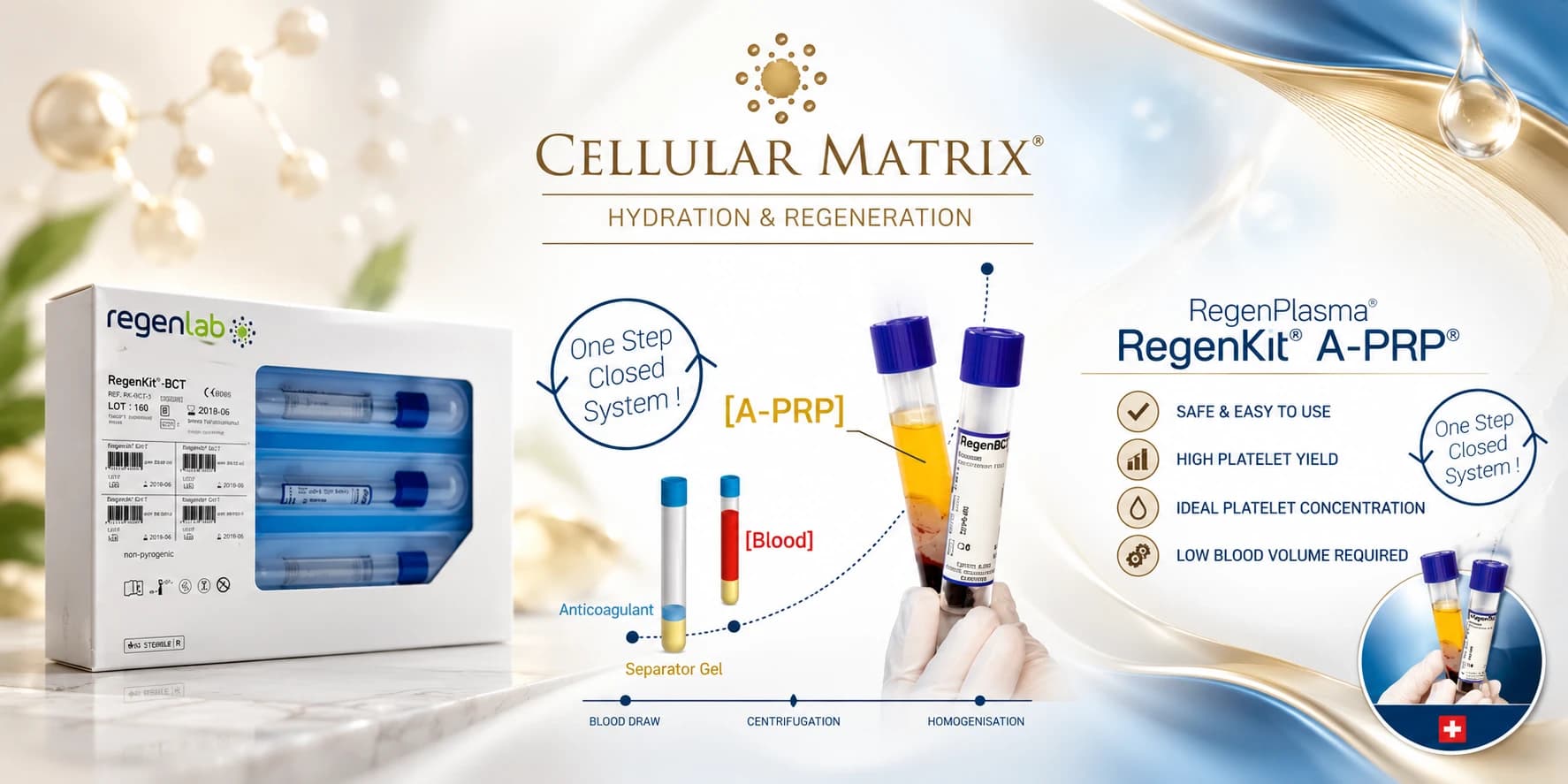
RegenKit-BCT uses a double-centrifugation process to produce a higher concentration of growth factors than standard PRP, making it particularly suited to more advanced hair loss or patients who haven't responded fully to standard PRP.
PRP is most effective for androgenetic alopecia (pattern hair loss) and alopecia areata, and works best on follicles that are thinning but still active. Dr Sofia will assess suitability at your consultation.
A numbing cream or cold air device is used on the scalp beforehand, and most patients tolerate the injections well.
Mild tenderness, redness or minor swelling on the scalp is common for a day or two after treatment. Because PRP uses your own blood, allergic reaction risk is very low.
Reduced shedding is often noticed from 4–6 weeks, with visible improvement in hair density and thickness typically from around 3 months onward.
Yes — PRP is often combined with Exosome Therapy for an enhanced regenerative effect, particularly for patients with more advanced hair thinning.
It's not recommended to wash your hair, apply ice, or take anti-inflammatory medication within 24 hours of treatment.
Yes — PRFM is very effective in combination with hair transplantation. It stimulates dermal angiogenesis and wound healing, which helps the transplanted graft survive better, and also improves the density of thinning hair by stimulating cell proliferation.
Platelet-rich fibrin matrix is extensively used by surgeons worldwide to treat chronic lower extremity ulcers. It promotes wound healing via cell proliferation and new cell regrowth, and the same regenerative mechanism supports hair follicle stimulation in the scalp.
PRFM requires only around 4 sessions to see a visible result. Its sustained release, continuing for up to 7 days after the procedure, allows cell angiogenesis and hair regrowth in the scalp, and it increases hair density and thickness almost 2 times within 6 months.
PRF matrix releases growth factors into the scalp through a sustained mechanism — in vitro studies have shown growth factors are released for up to 7 days, which stimulates new hair growth. Pronounced results are typically seen after 3 months of treatment.
PRFM is considered one of the latest innovations in hair treatment. A small amount of blood is collected from the patient and centrifuged, which separates and concentrates the patient's own PRP and fibrin into a matrix. This matrix is then injected into the thinning or bald scalp, stimulating cell proliferation and hair regrowth through targeted tissue regeneration.
The full appointment, including consultation and injection, takes around 60–90 minutes. No anaesthetic is required and there is no downtime, so you can return to your normal activities straight away if you wish.
PRP is an especially safe treatment option with no risk of allergic reaction, because it is made from your own blood. As it's antimicrobial, there is also no risk of infection.
PRP has been studied as a treatment for androgenetic alopecia, with research suggesting potential improvements in hair density in some patients. Results vary and treatment is not guaranteed.
PRP may support hair density and follicle activity in suitable patients, particularly in androgenetic alopecia. It is not a guaranteed method of restoring hair where follicles are permanently inactive or destroyed.
Yes. PRP has been studied in both male and female pattern hair loss, although the treatment plan should be individualised.
Standard PRP uses platelet-rich plasma prepared from your own blood and is manually administered. PRP Cellular Matrix + Biotin is an advanced clinic treatment protocol combining PRP with a Cellular Matrix approach and Biotin, with U225-assisted administration where appropriate.
PRP should not be marketed as a permanent cure for hair loss. Hair-loss conditions can continue to progress, and ongoing management may be required.
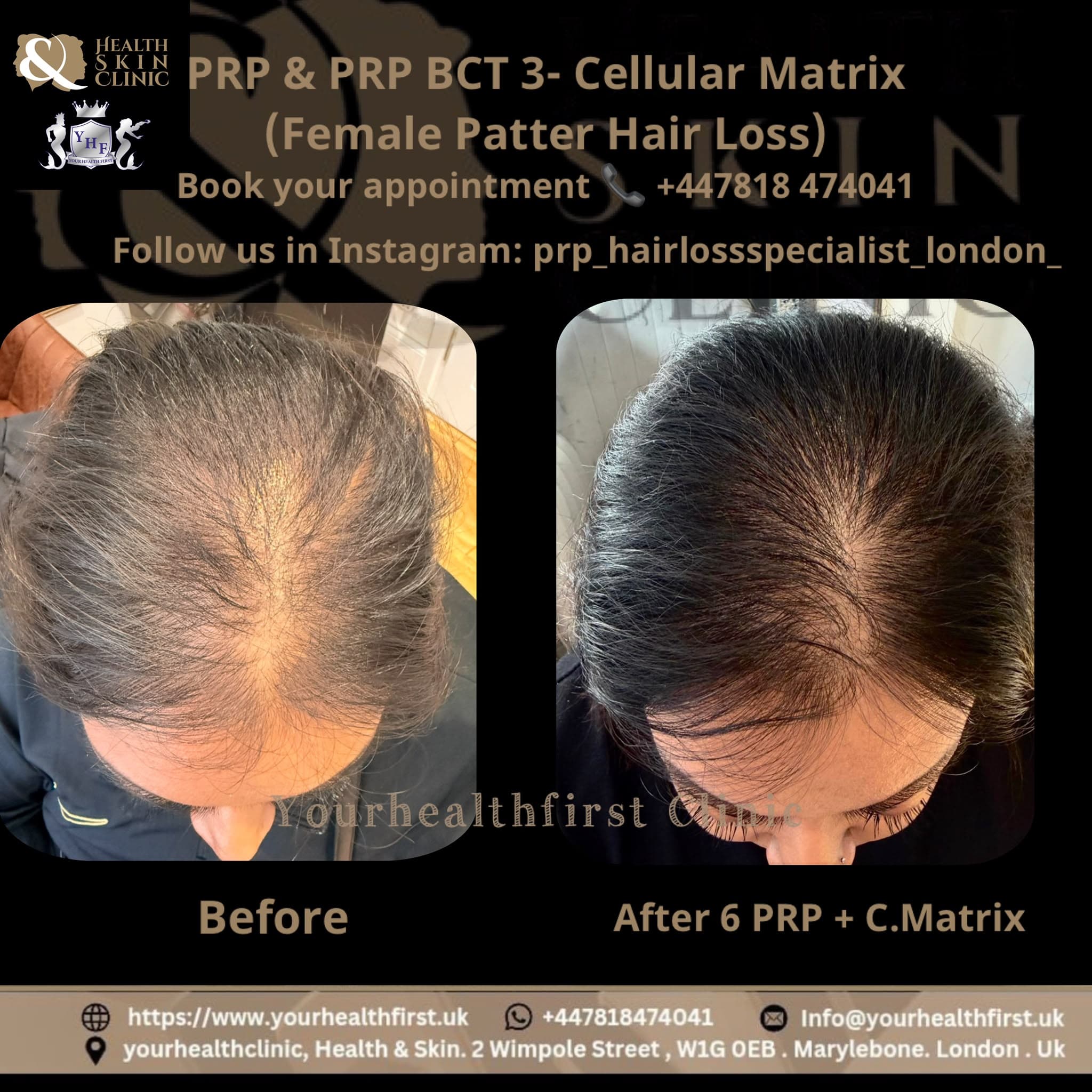
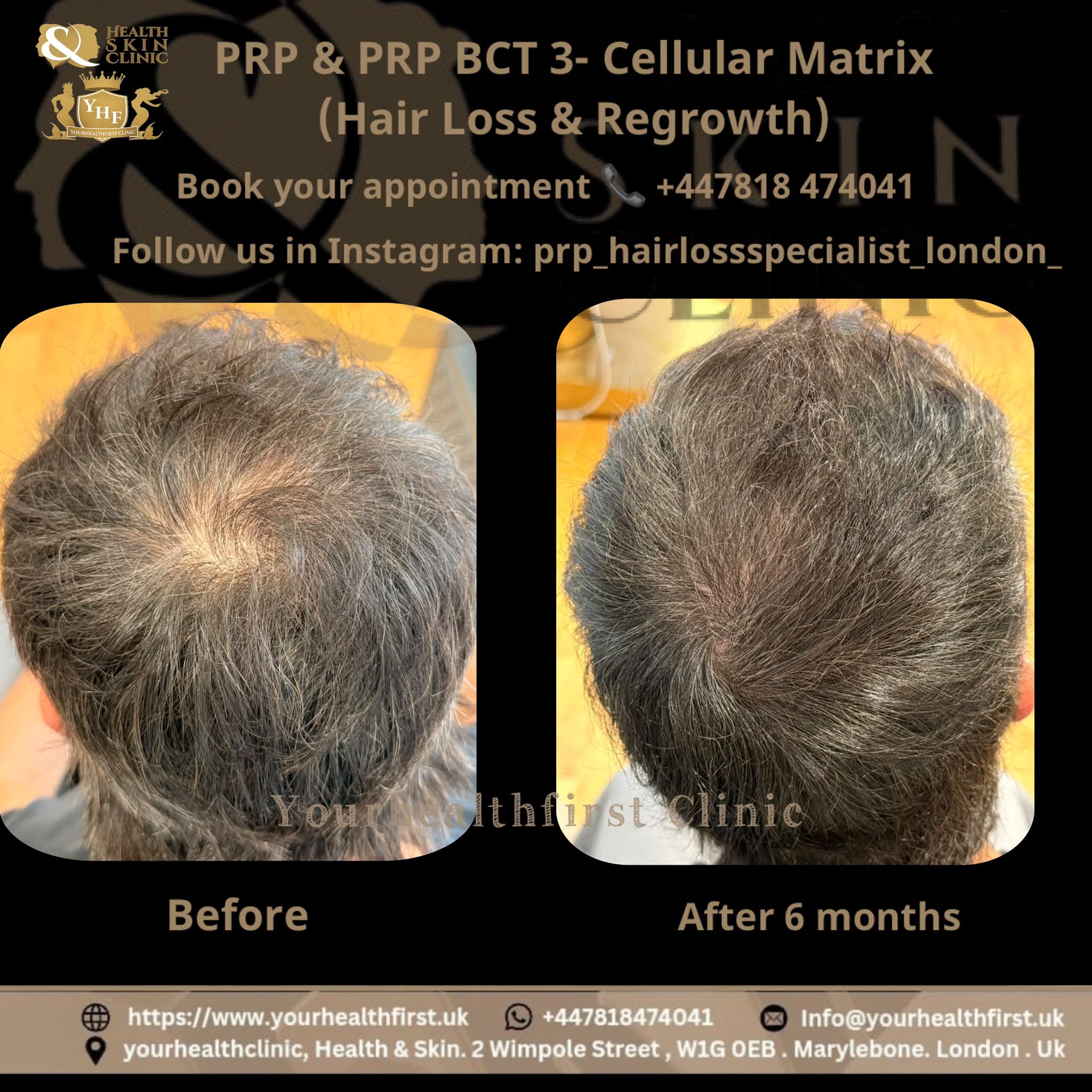
Our Gallery
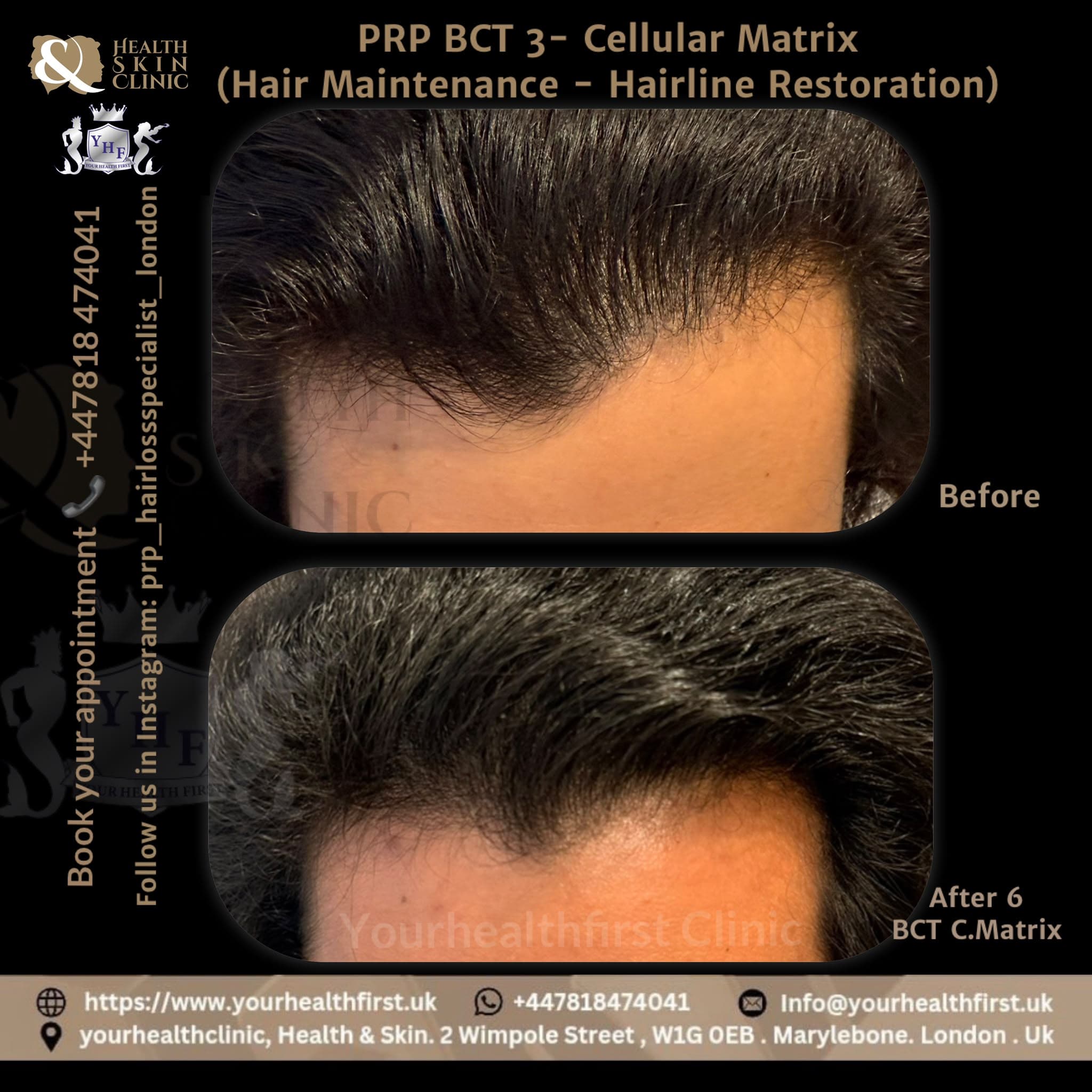
Real before & after results from patients treated at YourHealthFirst Clinic.
Our Prices
Check Our Price ListGet an Appointment
By phone: 0207 225 3582 / 078 1847 4041
By email: info@yourhealthfirst.uk
Opening Hours
Monday to Friday – 10am to 6pm
Saturday – 12pm to 2pm (doctor appointments only)
Sunday & out of hours – by appointment only