Skin & Health
Sclerotherapy
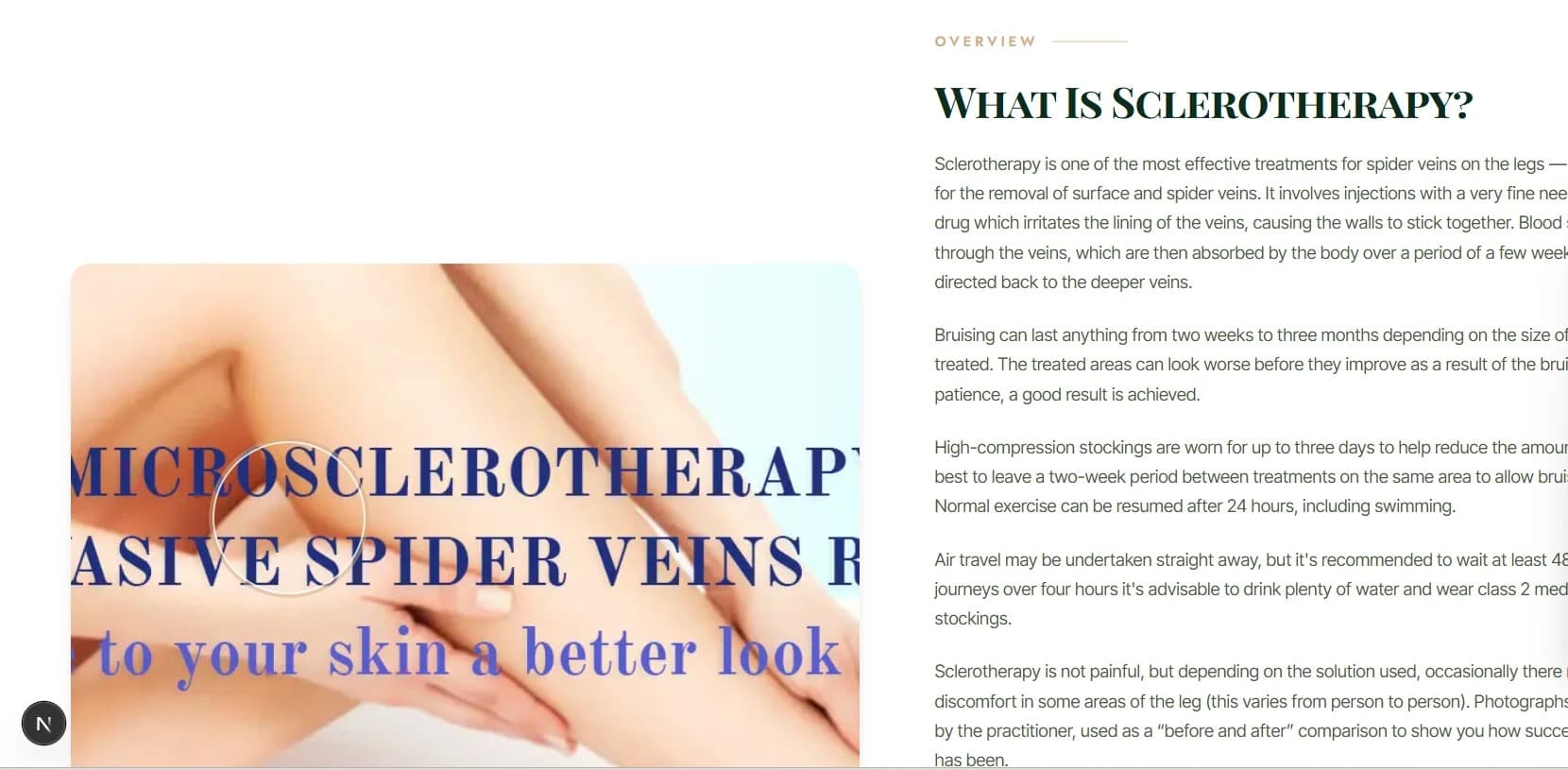
Non-invasive spider vein removal — give your skin a better look TESTMARKER
What Is Sclerotherapy?
Sclerotherapy is one of the most effective treatments for spider veins on the legs — a technique used for the removal of surface and spider veins. It involves injections with a very fine needle of a sclerosing drug which irritates the lining of the veins, causing the walls to stick together. Blood stops flowing through the veins, which are then absorbed by the body over a period of a few weeks, with the blood directed back to the deeper veins.
Bruising can last anything from two weeks to three months depending on the size of the blood vessels treated. The treated areas can look worse before they improve as a result of the bruising — with patience, a good result is achieved.
High-compression stockings are worn for up to three days to help reduce the amount of bruising. It's best to leave a two-week period between treatments on the same area to allow bruising to settle. Normal exercise can be resumed after 24 hours, including swimming.
Air travel may be undertaken straight away, but it's recommended to wait at least 48 hours — on journeys over four hours it's advisable to drink plenty of water and wear class 2 medical compression stockings.
Sclerotherapy is not painful, but depending on the solution used, occasionally there may be a feeling of discomfort in some areas of the leg (this varies from person to person). Photographs may also be taken by the practitioner, used as a “before and after” comparison to show you how successful your treatment has been.
There are a few minimally invasive strategies for treating varicose veins, and sclerotherapy is among the most established. The procedure obliterates and destroys varicose veins by injecting them with a solution called a sclerosant. The sclerosant scars the vein and makes it collapse, rerouting blood to more advantageous veins nearby — your body gradually destroys and absorbs the treated vein until it vanishes. The solution used is sodium tetradecyl sulfate, and this technique typically treats small varicose veins found near the surface of the skin, known as “bug veins”, while also improving the overall appearance of the leg.
For bigger veins, foam sclerotherapy is used instead — the sclerosant is transformed into a foam before being injected, since foam covers a larger surface area than fluid.
Why Choose Sclerotherapy?
Sclerotherapy is a safe, effective and minimally invasive treatment for spider veins, helping you achieve clearer, healthier-looking skin.
Proven Results
Targets and fades spider veins effectively.
Quick Treatment
Usually completed in a short session.
Minimal Downtime
Most normal activities resume within 24 hours.
Improves Appearance
Helps your skin look smoother and clearer.
How Does Sclerotherapy Work?
The solution (sclerosant) is injected into the vein, causing the vein walls to collapse and the blood to be redirected to nearby healthy veins. Over time, the treated veins fade and are reabsorbed by the body, improving the appearance of the skin on the legs.
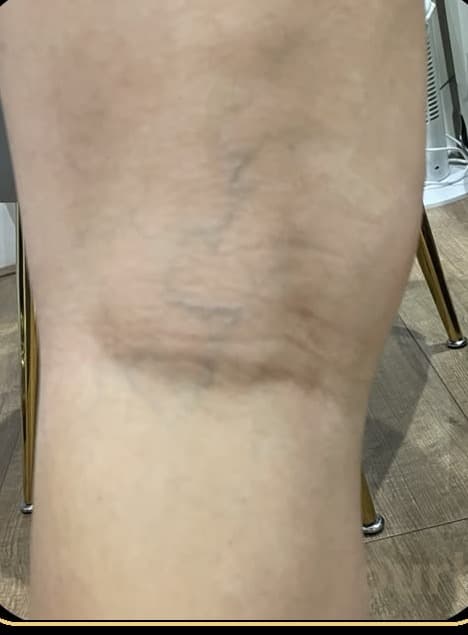 Before
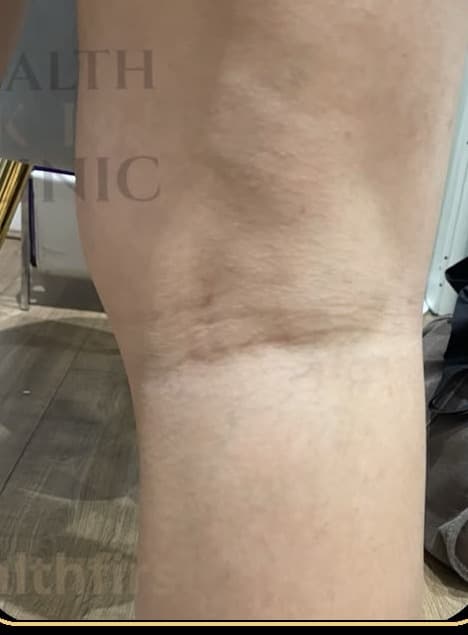 After
After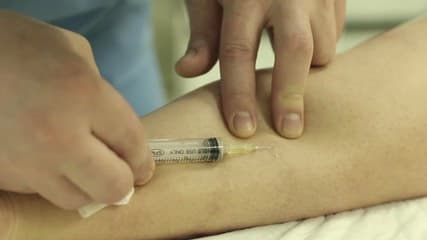
What Happens During a Microsclerotherapy Treatment?
The first time you visit a clinic, a detailed discussion with the practitioner should clearly highlight your expectations of the cosmetic effects of this treatment. The practitioner may then take a medical history to make sure that there are no reasons why you are not suited to be treated with Microsclerotherapy. You will normally then be asked to sign a consent form, confirming that you have understood the procedure and the potential side effects.
The injections are performed while you are lying down. A solution is injected with a very tiny needle, superficially into the veins. This causes the lining of the vein to become sticky and swell. Compression is then applied to close the veins. Over a period of time, the vein will heal closed, be absorbed into the body, and fade away.
After Treatment
Once you remove the stockings there may be marks from the needle, or bruising, and the veins may change from their normal red/blue colour to black/brown — this is all normal and may take a few weeks to settle, depending on how quickly you normally heal. ‘Arnica’ helps to improve bruising.
The legs may feel slightly tender for the first few days following treatment. An anti-inflammatory drug such as ibuprofen is often helpful, and walking may help.
The veins may show some signs of improvement, though results can be seen straight away — for large veins, this takes around two months after your first treatment.
The true effect of treatment is seen between two and three months. Some larger, darker flares may continue to fade for up to six months after the procedure.
Noninvasive Treatment May Be Recommended if You:
- Self-care treatment is not successful
- The appearance of your leg is causing you distress
- You experience pain or cramping
- Blood clots form frequently
- Phlebitis occurs
- Ulcers or sores form
- The fatty tissue under your skin hardens due to blood pressure from the vein (lipodermatosclerosis)
Recommendations After the Procedure
- Take a 10-minute walk immediately after treatment
- Wear your graduated medical compression stockings for up to 3 weeks (as advised)
- Stockings may be taken off at night or for showers/baths
- Do not be alarmed if treated veins look worse initially — this is normal and improves over time
- Avoid sun exposure on the treated area for the first few weeks, as suntanning can extend how long the dark colour takes to fade
- Air travel is generally acceptable during treatment, though you should wear your compression stockings during long-haul flights — discuss this with your practitioner beforehand
- Attend for further treatment and review of progress at intervals suggested by your practitioner
- Long-term wear of compression stockings hasn't been shown to minimise thread vein recurrence — there's no reliable way to prevent further veins forming, and occasional further treatment is likely to be required
How Sclerotherapy Works & Helpful Tips
Sclerotherapy is a minimally invasive treatment for spider veins. A special solution (sclerosant) is injected into the affected veins, causing them to collapse and gradually fade, leaving your skin clearer and healthier.
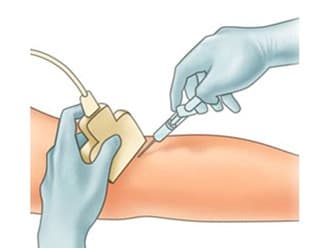 1
1Using ultrasound guidance, the varicose vein is located to allow for precise injection of the sclerosant solution.
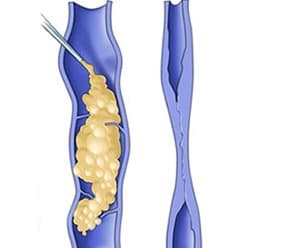 2
2Once the sclerosant is injected, it irritates the vein lining, causing the varicose vein to collapse and be reabsorbed by the body.
Additional Tips to Help Avoid the Reappearance of Veins
Following these simple steps can help improve circulation, support healing and reduce the risk of new or recurring veins.
Maintain a Healthy Weight
Helps reduce pressure on your veins and supports better circulation.
Avoid Prolonged Sitting or Standing
Move around regularly to keep blood flowing in your legs.
Wear Compression Stockings
Use as advised by your practitioner to support healing and prevent new veins.
Give Up Smoking
Smoking can damage blood vessels and increase the risk of vein problems.
FAQ's
Some mild side effects of sclerotherapy include itching for a day or two after the procedure, raised red areas at the injection site, and bruising around the injection site that can last several days to weeks.
They are usually inherited. Hormonal changes — for example with pregnancy and HRT — may increase their likelihood, and trauma or surgery to the legs can cause an eruption of thread veins. They also become more prominent and numerous with increasing age.
Spider veins are twisted, swollen veins that load and fill with blood, mostly developing in the legs and easily visible through the skin. They aren't life-threatening but can cause discomfort and self-consciousness. Modern minimally invasive techniques like sclerotherapy have replaced older surgical vein stripping, using only small, superficial injections rather than incisions.
Most patients require 2–4 sessions, depending on the number and extent of the veins being treated, with a two-week gap recommended between treatments on the same area.
The total treatment cost and number of sessions required depend on the extent and number of veins treated — normally around 80% disappearance is expected as the veins are progressively absorbed by the body.
Sclerotherapy is not painful, though depending on the solution used you may occasionally feel some discomfort in areas of the leg — this varies from person to person.
Yes — while most commonly used on the legs, sclerotherapy can also be used to treat visible veins on other areas of the body.
Adults with visible spider veins, thread veins or small varicose veins seeking a non-surgical removal option. Dr Sofia is a member of the British Association of Sclerotherapists.
Our Gallery
BeforeAfter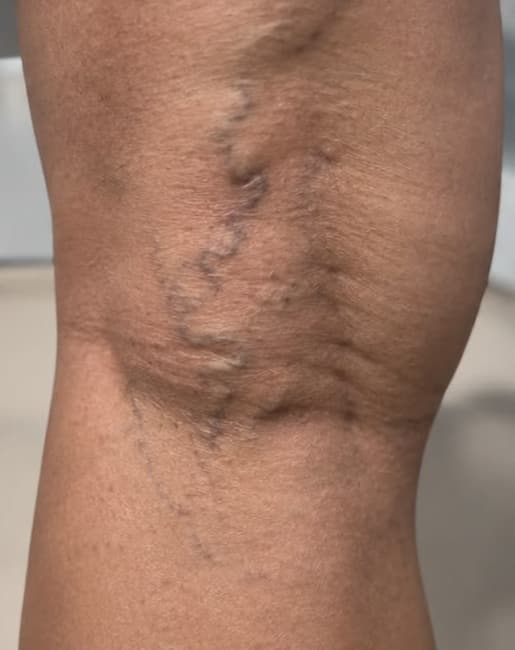 Before
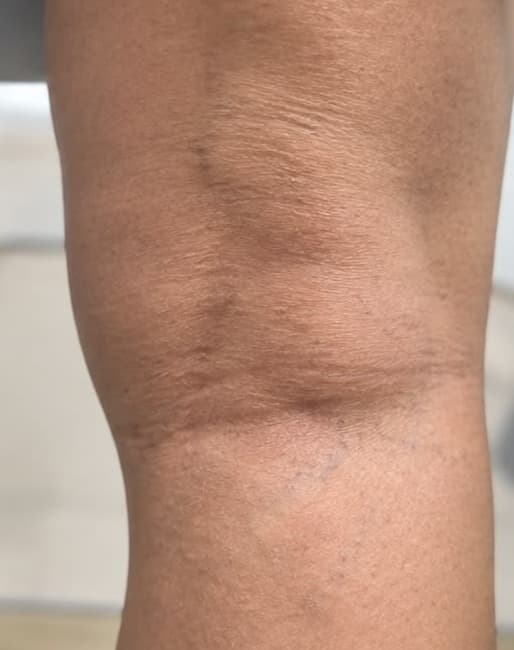 After
After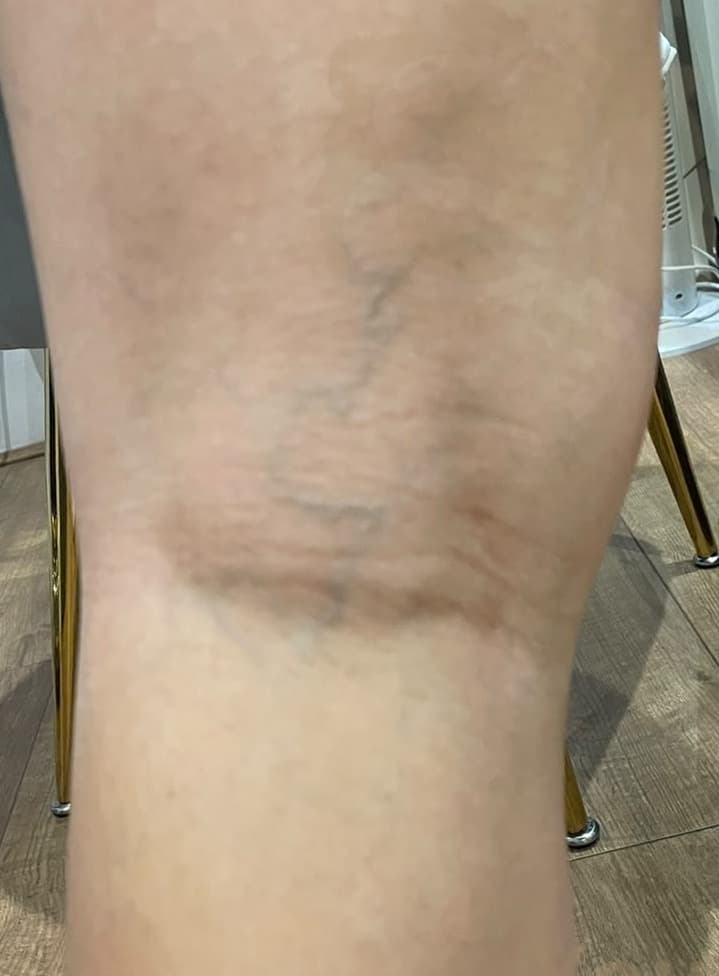 Before
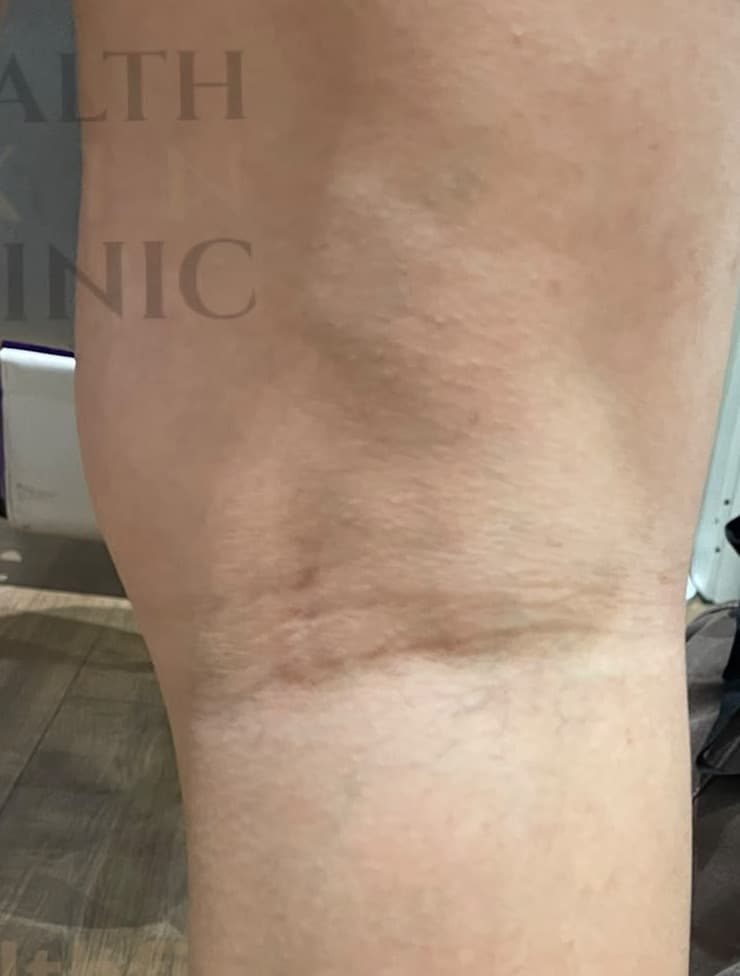 After
After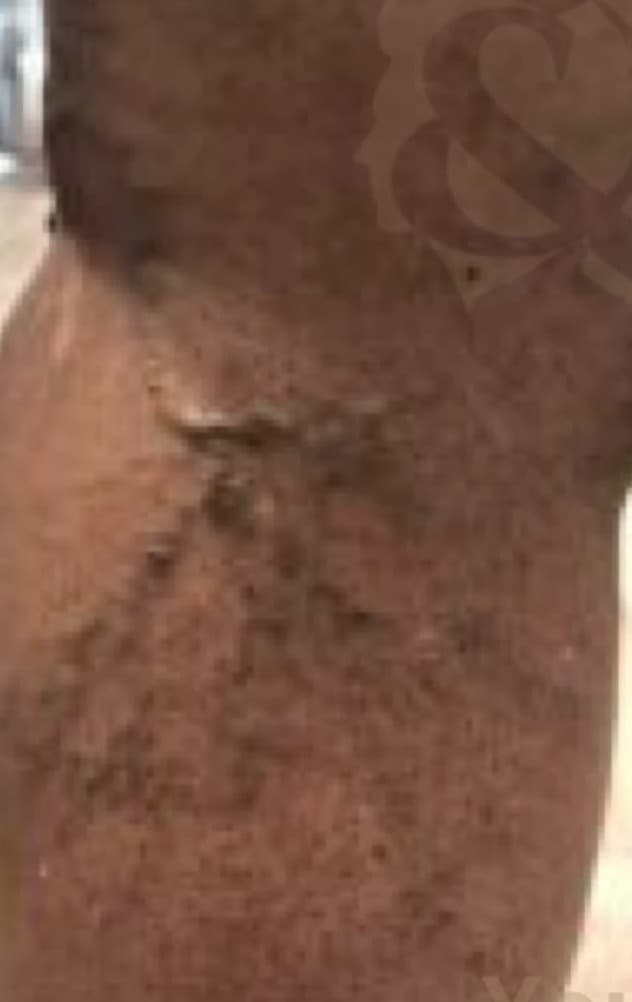 Before
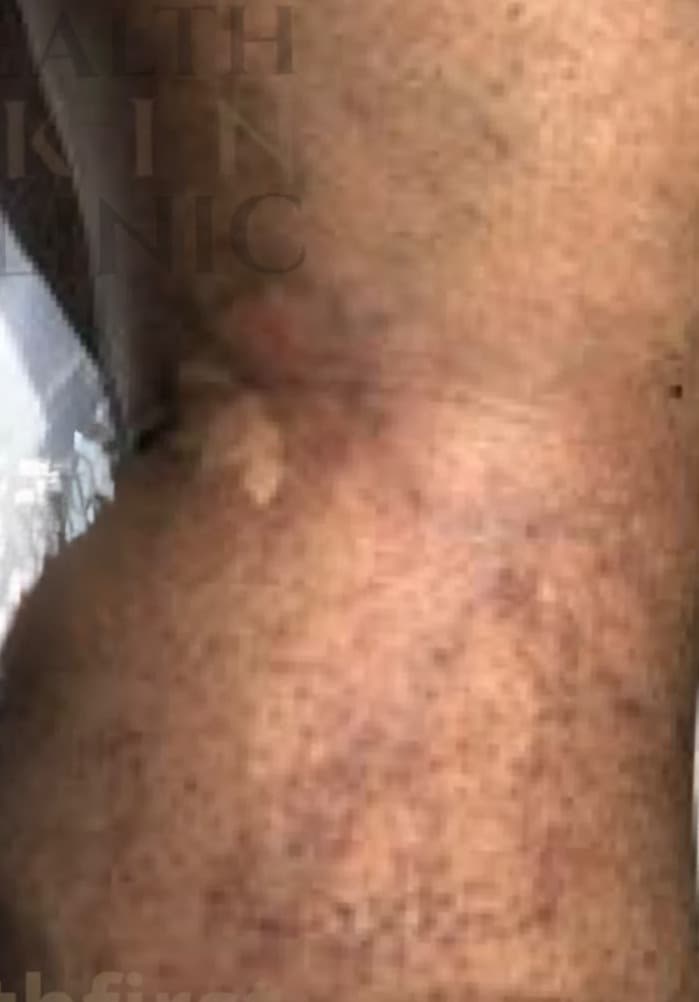 After
AfterOur Prices
Check Our Price ListOpening Hours
Monday to Friday – 10am to 7pm
Saturday – 12pm to 4pm
Sunday & out of hours – by appointment only
Get an Appointment
By phone: 0207 225 3582 / 078 1847 4041
By email: info@yourhealthfirst.uk
Total treatment cost depends on the extent and number of veins treated, and the number of sessions required for improvement — normally around 80% disappearance is expected, depending on the size of the veins.