Face & Anti-Aging
Polynucleotides (PDRN)
Advanced regenerative therapy for skin and under-eyes
What Are Polynucleotide Injections?
Polynucleotide injections are an advanced skin rejuvenation treatment designed to improve skin quality, hydration, texture and elasticity. Often referred to as polynucleotide skin boosters or regenerative skin treatments, they are used to support the skin's natural repair processes and address visible signs of ageing.
Polynucleotides are purified DNA fragments, commonly sourced from fish such as salmon or trout, depending on the product. They are used in aesthetic medicine for their potential to support tissue repair and improve the appearance of ageing skin.
Unlike traditional dermal fillers, which primarily add volume or contour facial features, polynucleotide treatments focus on improving the quality and appearance of the skin. They may be considered for concerns such as fine lines, dullness, uneven texture and reduced elasticity.
At YourHealthFirst Clinic in London, we offer personalised consultations to assess your skin and discuss whether polynucleotide treatment may be appropriate for your individual needs.
How Do Polynucleotide Treatments Work?
Polynucleotides are injectable biostimulators that are being studied for their potential regenerative effects on the skin. They may support several processes involved in maintaining healthy-looking skin.
- Supporting collagen production: Polynucleotides may influence fibroblast activity. Fibroblasts are cells involved in producing collagen and other components of the skin's supporting structure. Supporting these processes may help improve the appearance of skin firmness and elasticity over time.
- Improving skin texture and elasticity: Clinical research has reported promising improvements in skin texture, elasticity and the appearance of wrinkles following polynucleotide treatment. However, the available studies are still relatively small, and results can vary between individuals.
- Supporting tissue repair: Polynucleotides have been investigated for their role in tissue repair and regeneration. Their potential effects on cellular repair processes are one reason they are attracting interest in regenerative aesthetic medicine.
- Promoting a healthier-looking complexion: By targeting skin quality rather than simply adding volume, polynucleotide injections may help improve the appearance of dull, tired or uneven skin. The degree of improvement depends on the individual's skin condition, treatment area and selected product.
Benefits of Polynucleotide Skin Rejuvenation
Polynucleotide injections may be considered for people looking to improve the appearance of their skin without the primary aim of adding facial volume.
Potential benefits include:
- Improved skin texture: Support for smoother-looking skin and a more refined appearance.
- Skin hydration: Improvements in skin hydration and overall skin quality have been reported in clinical studies.
- Fine line reduction: Potential improvement in the appearance of fine lines and early wrinkles.
- Skin elasticity: Support for skin firmness and elasticity.
- Under-eye rejuvenation: A possible treatment option for selected concerns involving fine lines and crepey skin around the eyes.
- Natural-looking results: Gradual improvements in skin quality rather than an immediate change in facial contours.
Individual results are not guaranteed, and the scientific evidence is still developing.
Which Areas Can Polynucleotides Treat?
Polynucleotide injections may be used in selected areas where skin quality, texture and elasticity are a concern.
- Under-Eye Polynucleotide Treatment: The delicate skin around the eyes can develop fine lines, crepiness and visible signs of ageing. Under-eye polynucleotide treatment may be considered to improve the appearance of fine lines and skin texture in appropriately selected patients. It is not a replacement for treatments designed to restore significant volume or correct pronounced tear-trough hollows. A consultation is essential to determine whether this treatment is appropriate for the eye area.
- Face and Cheeks: Polynucleotide injections may be used on selected areas of the face and cheeks to address fine lines and early wrinkles, uneven skin texture, dull or tired-looking skin, changes in skin elasticity, and visible signs of skin ageing. The treatment aims to improve skin quality without the principal purpose of reshaping the face.
- Neck: The neck can develop fine lines, uneven texture and reduced elasticity as the skin ages. Polynucleotide treatment may be considered to support improvements in the appearance of these concerns.
- Décolletage: The décolletage is frequently exposed to sunlight and may develop fine lines, uneven texture and other visible signs of ageing. Polynucleotides may be an option for selected patients seeking to improve skin quality in this area.
- Hands: Ageing hands can develop changes in skin texture, fine lines and reduced elasticity. Depending on the product and the individual's needs, polynucleotide treatment may be considered as part of a personalised skin rejuvenation plan.
What Happens During a Polynucleotide Treatment?
At YourHealthFirst Clinic, your treatment begins with an individual assessment and consultation to establish your suitability and discuss your desired outcomes.
- Step 1: Initial consultation: Your practitioner will assess your skin, discuss your concerns and review your medical history, allergies, previous aesthetic treatments and treatment goals. A personalised plan will be recommended if appropriate.
- Step 2: Skin preparation: The treatment area will be cleansed and prepared. Depending on the product and treatment protocol, a topical anaesthetic may be offered to help improve comfort during the procedure.
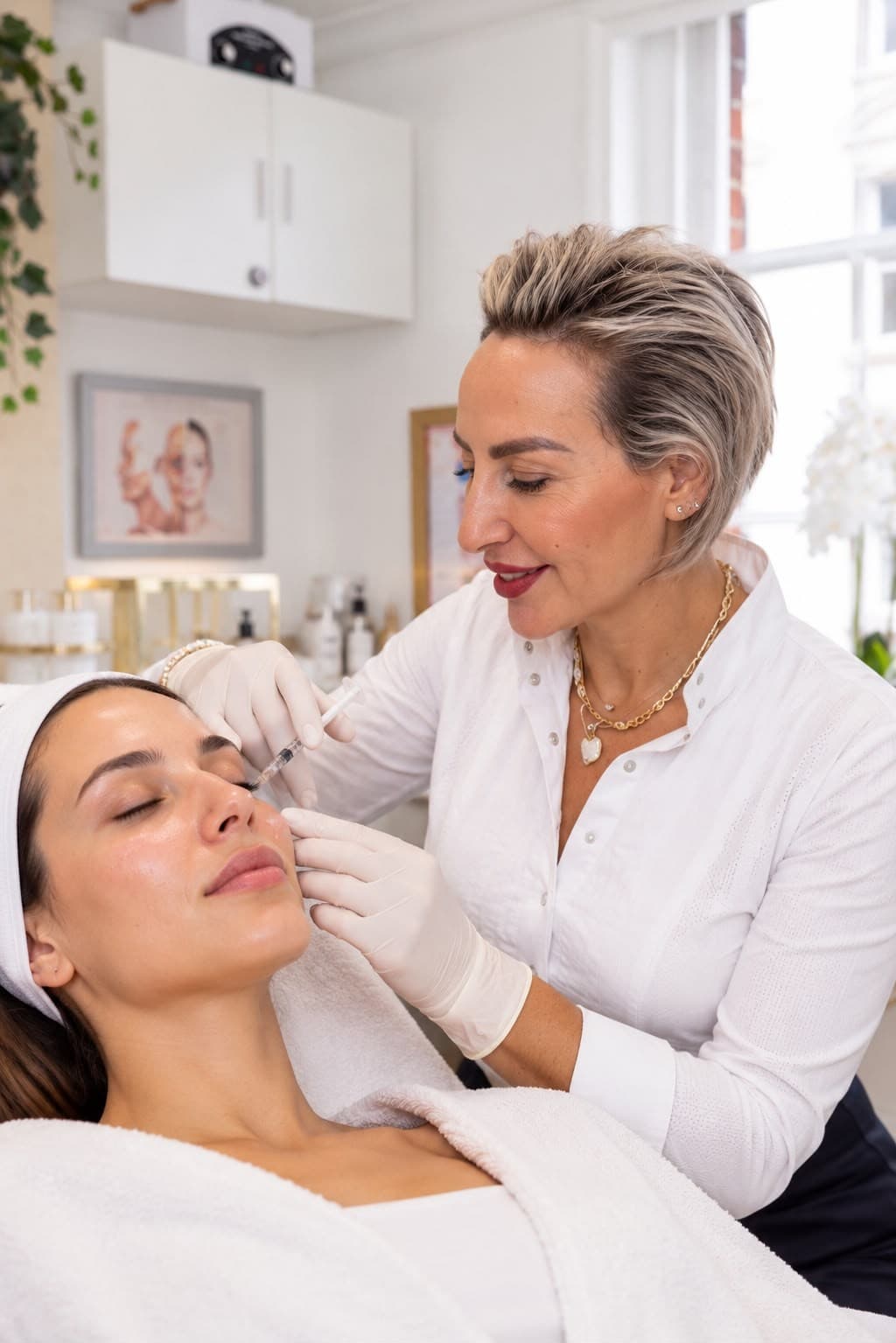
- Step 3: Polynucleotide injections: Small quantities of the selected polynucleotide product are injected into the appropriate skin layer using a fine needle or another suitable injection technique. The injection method and treatment points depend on the area being treated and the product used.
- Step 4: Aftercare and review: You will receive personalised aftercare instructions, including advice on managing temporary swelling, redness or bruising. A follow-up appointment may be arranged to assess your progress and discuss any further treatment.
How Many Polynucleotide Sessions Will I Need?
Polynucleotide treatment is often delivered as a course of sessions rather than a single appointment.
Some treatment protocols recommend approximately three to four sessions, usually spaced two to four weeks apart. However, the recommended number of sessions and the interval between treatments depend on the selected product, treatment area and individual skin assessment.
Improvements may develop gradually over several weeks. Some people may notice changes in hydration and texture earlier, while other outcomes may take longer to become apparent.
There is currently no universally established treatment schedule or guaranteed timeline for results. Your practitioner will discuss the expected course of treatment and appropriate review appointments during your consultation.
Are There Any Side Effects or Downtime?
Polynucleotide injections are minimally invasive, but they carry potential risks and side effects, as do other injectable aesthetic procedures.
Common temporary effects may include:
- Small raised bumps or papules at the injection sites.
- Redness and swelling.
- Mild bruising.
- Tenderness or discomfort.
- Temporary itching.
These effects often settle over a few days, although recovery varies depending on the treatment area, product and individual.
Less common but potentially more serious complications can occur with injectable treatments. These may include infection, allergic reactions and other injection-related complications. Your practitioner will explain the relevant risks, precautions and aftercare before treatment.
If you have a known fish or seafood allergy, tell your practitioner before your appointment so that the ingredients and suitability of the specific product can be checked.
Who Is Suitable for Polynucleotide Treatment?
Polynucleotide skin rejuvenation may be suitable for adults who wish to address early signs of skin ageing, fine lines, dullness or changes in skin texture and elasticity.
It may appeal to people seeking gradual improvements in skin quality without adding significant facial volume.
However, it is not suitable for everyone. Your practitioner will review your medical history, current skin condition, allergies and any relevant contraindications before recommending treatment.
Treatment may need to be postponed or avoided in certain circumstances, including:
- Pregnancy or breastfeeding.
- Active infection or inflammation at the intended injection site.
- Known hypersensitivity to the product or its ingredients.
- Other medical circumstances or contraindications specific to the selected product.
A consultation is required to establish whether treatment is appropriate for you.
Polynucleotides vs Dermal Fillers: What's the Difference?
Although both treatments involve injections, they have different purposes.
Suitable For
- Adults with under-eye dark circles and hollowing
- Those with thin, ageing or sun-damaged skin
- Patients seeking to improve acne scarring
- Anyone wanting a deep regenerative skin boost
Key Facts
Results
Initial improvement in 2–4 weeks, full results over a few months, lasting 6–12 months
Starting From
From £399 per session
Location
2 Wimpole Street, London W1G 0EB
Book a Consultation
Begin with a personal consultation with Sofia to discuss your goals and confirm suitability.
Key Benefits
- Stimulates genuine tissue regeneration and repair
- Reduces pigmentation and improves under-eye dark circles
- Thickens and strengthens thin, crepey skin
- Reduces inflammation and redness
- Improves acne scarring texture
- Helps protect skin from sun and environmental damage
- Complements other treatments including fillers and PRP
Important
Polynucleotides — Aftercare
Do
- Avoid the sun and use a broad-spectrum sunscreen daily, ideally SPF 30+.
- Use collagen-stimulating peptides as recommended by your practitioner.
- Keep well hydrated.
Don't
- Use 'active' skincare products (retinols, AHAs, acids) until recommended by your practitioner.
- Wear makeup for 24–48 hours after treatment.
- Engage in strenuous exercise — sweating can let bacteria into the channels created during treatment.
- Take NSAIDs (e.g. ibuprofen) unless advised otherwise.
Polynucleotides for Every Concern
A versatile regenerative treatment tailored to four key areas of concern.
Eyes
Deep hydration and improved elasticity around the delicate eye area — minimising fine lines, dark circles, puffiness and fatigue marks.
Face
Regenerates skin cells while boosting hydration, tone and texture — feeding the skin with what it needs for natural repair and renewal.
Neck
Lifts and tightens sagging, crepey skin by stimulating fibroblast activity and increasing hydration for a firmer, smoother neckline.
Hair & Scalp
Rejuvenates hair follicles and improves scalp condition, boosting blood supply to support thicker, healthier hair growth.
Frequently Asked Questions
Everything you need to know about polynucleotides (pdrn) at YourHealthFirst Clinic.
Polynucleotides work by stimulating the skin's own regeneration processes — boosting collagen production and hydration at a cellular level. This repairs damaged tissue, improving skin elasticity and the overall health of skin and hair.
Polynucleotide treatment is very versatile and can rejuvenate several areas: Eyes — fine lines, dark circles and puffiness. Face — hydration, firmness and evening out skin tone. Neck — tightening, softening and reducing wrinkles. Hair & Scalp — stimulating growth and strengthening follicles.
Polynucleotides are ideal for anyone wanting to improve skin texture, reduce signs of ageing or improve hair health — including those with fine lines, wrinkles or sagging skin, dull or dehydrated skin, thinning hair or weak follicles, and anyone seeking a natural, non-invasive rejuvenation option.
Polynucleotide treatments involve a series of microinjections, but they are not very painful. A topical anaesthetic cream is applied beforehand for a comfortable experience.
Results vary by individual, but most people notice an improvement in skin texture and moisture within 2–4 weeks. Full results develop over a few months as collagen production and skin regeneration continue.
Polynucleotide treatments are very safe and well tolerated, with few side effects. Some patients experience mild redness, swelling or bruising, which settles within a few hours to a few days.
Results typically last 6–12 months, depending on individual skin health and lifestyle factors. Maintenance treatments are recommended to prolong results.
Yes — Polynucleotides combine well with other anti-ageing and skin rejuvenation treatments such as microneedling, dermal fillers, laser treatments and chemical peels. Your practitioner will recommend the best combination for your goals.
Our Prices
Check Our Price ListGet an Appointment
By phone: 0207 225 3582 / 078 1847 4041
By email: info@yourhealthfirst.uk
Opening Hours
Monday to Friday – 10am to 6pm
Saturday – 12pm to 2pm (doctor appointments only)
Sunday & out of hours – by appointment only
Related Treatments
Anti-Wrinkle Injections
Anti-wrinkle injections are one of the most popular non-surgical treatments available, used to soften facial lines and wrinkles while preserving natural expression. At YourHealthFirst, every treatment is carefully tailored to your facial anatomy and aesthetic goals.
Learn more →Dermal Fillers
Dermal fillers are injectable treatments using hyaluronic acid to restore lost volume, smooth deep lines and sculpt facial features. From subtle lip enhancement to full facial revolumisation, fillers deliver immediate, natural-looking results.
Learn more →Sunekos
Sunekos is an injectable treatment combining amino acids and hyaluronic acid to stimulate the skin's own production of collagen and elastin. It is suitable for the face, neck, décolleté and hands, delivering a naturally plumped, firmer and more luminous complexion.
Learn more →