
Clinical Highlights & Key Takeaways
- ✓Autologous platelets release concentrated cytokines directly into the scalp micro-environment.
- ✓Reverses follicular miniaturization and transitions dormant follicles back into active growth.
- ✓Zero risk of allergic or foreign-body reactions since the treatment is 100% autologous.
- ✓Significantly outperforms generic topical solutions when performed with medical-grade centrifugation.
The Modern Epidemic of Hair Thinning
Thinning hair is not merely a cosmetic concern; it deeply affects self-image and daily confidence. Today, hair loss touches younger demographics than ever before due to hormonal fluctuations, chronic stress, environmental factors, and genetics.
In the past, patients felt trapped between lifelong daily medication or invasive hair transplant surgery. PRP has bridged this gap, offering a scientifically validated biological therapy that reactivates your natural hair growth cycle.
How Platelets Stimulate the Hair Cycle
Human hair grows in cycles: Anagen (active growth, 2–7 years), Catagen (transition, 2–3 weeks), and Telogen (resting/shedding, 3 months). In patterned hair loss, the anagen phase progressively shortens while telogen lengthens.
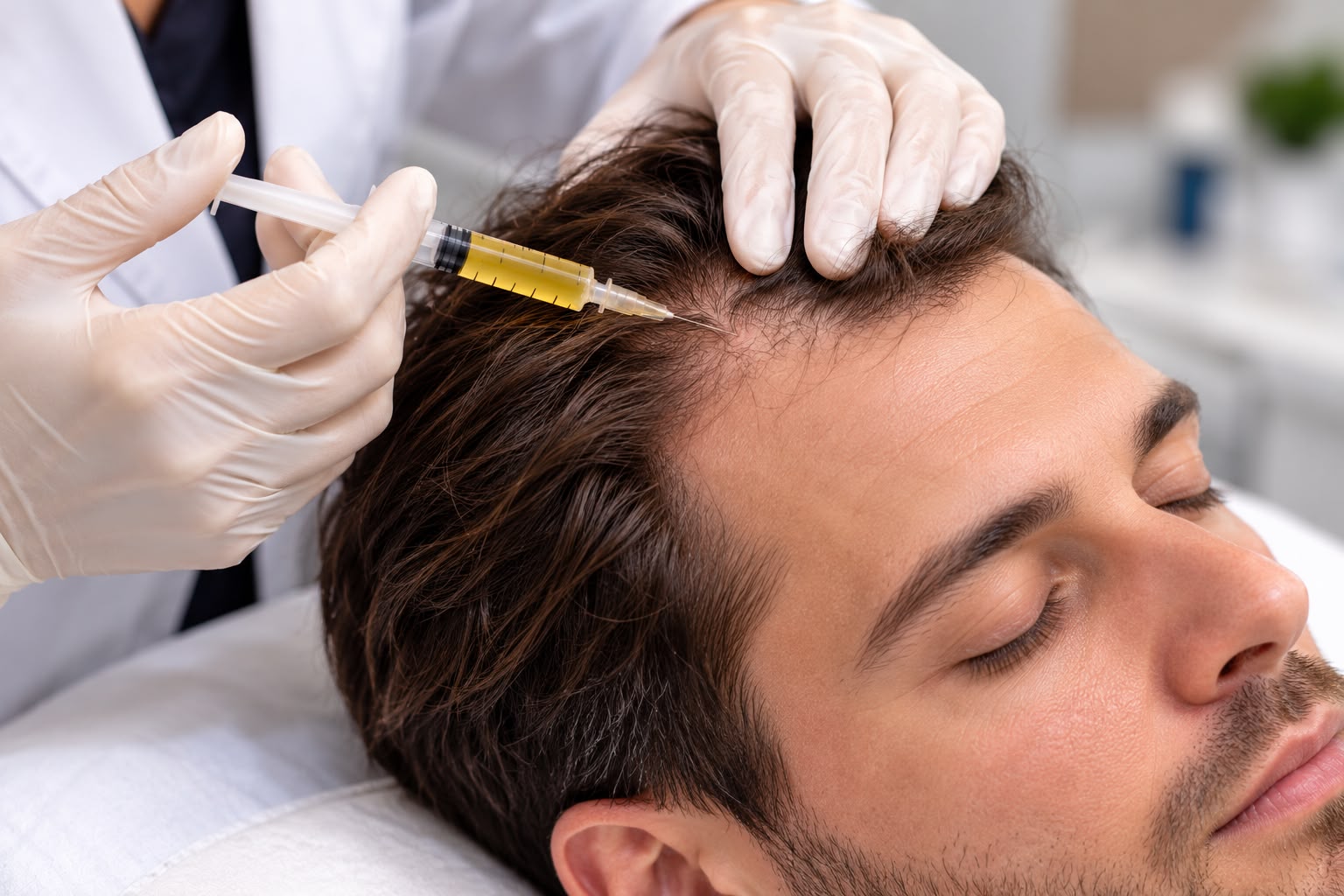
When concentrated platelets are introduced into the scalp dermis, they release PDGF, VEGF, and IGF-1. These biochemical triggers:
- Prolong the Anagen phase, keeping hair in active production longer.
- Increase the diameter of miniaturized hair shafts, creating denser visual coverage.
- Upregulate local micro-capillary networks, delivering oxygen and amino acids directly to the follicle.
Comparing PRP to Traditional Alternatives
Understanding where PRP fits among hair loss solutions helps patients make informed decisions:
- Versus Minoxidil: PRP requires periodic clinical sessions rather than daily lifelong messy topical application, and avoids scalp dermatitis.
- Versus Oral Finasteride: PRP is completely local and autologous, eliminating concerns over systemic hormonal disruption.
- Versus Hair Transplant Surgery: PRP requires zero surgical excision, zero linear scarring, and zero prolonged healing. It also serves as ideal maintenance around transplanted grafts.
The Recommended Treatment Course
Hair biology operates on a 3-month physiological cycle. Consequently, sustainable results require a structured medical protocol:
- Month 1: Initial priming session to halt active hair shedding.
- Month 2: Second session to stimulate follicle vascularization.
- Month 3: Third session to trigger robust anagen growth.
- Maintenance: One session every 6 to 9 months preserves and compounds the density gains.
Early intervention is the cornerstone of hair preservation. When patients address thinning at the first sign of widening parting or receding temples, PRP can deliver remarkable restorative outcomes.
— Dr. Sofia Bouzian — London Hair Clinic Director
Frequently Asked Questions
Can women undergo PRP hair treatment?
Absolutely. In fact, PRP is one of the most effective treatments for female diffuse thinning, postpartum hair loss, and female pattern hair loss where oral medications are contraindicated.
How should I prepare for my PRP appointment?
Drink plenty of water in the 24 hours prior to your visit to ensure optimal blood hydration, and wash your hair thoroughly on the morning of your procedure.
Does PRP work on completely bald scalp areas?
PRP requires the presence of viable, miniaturized hair follicles. If an area has been completely smooth and bald for many years, surgical transplantation may be necessary, complemented by PRP to support surrounding zones.
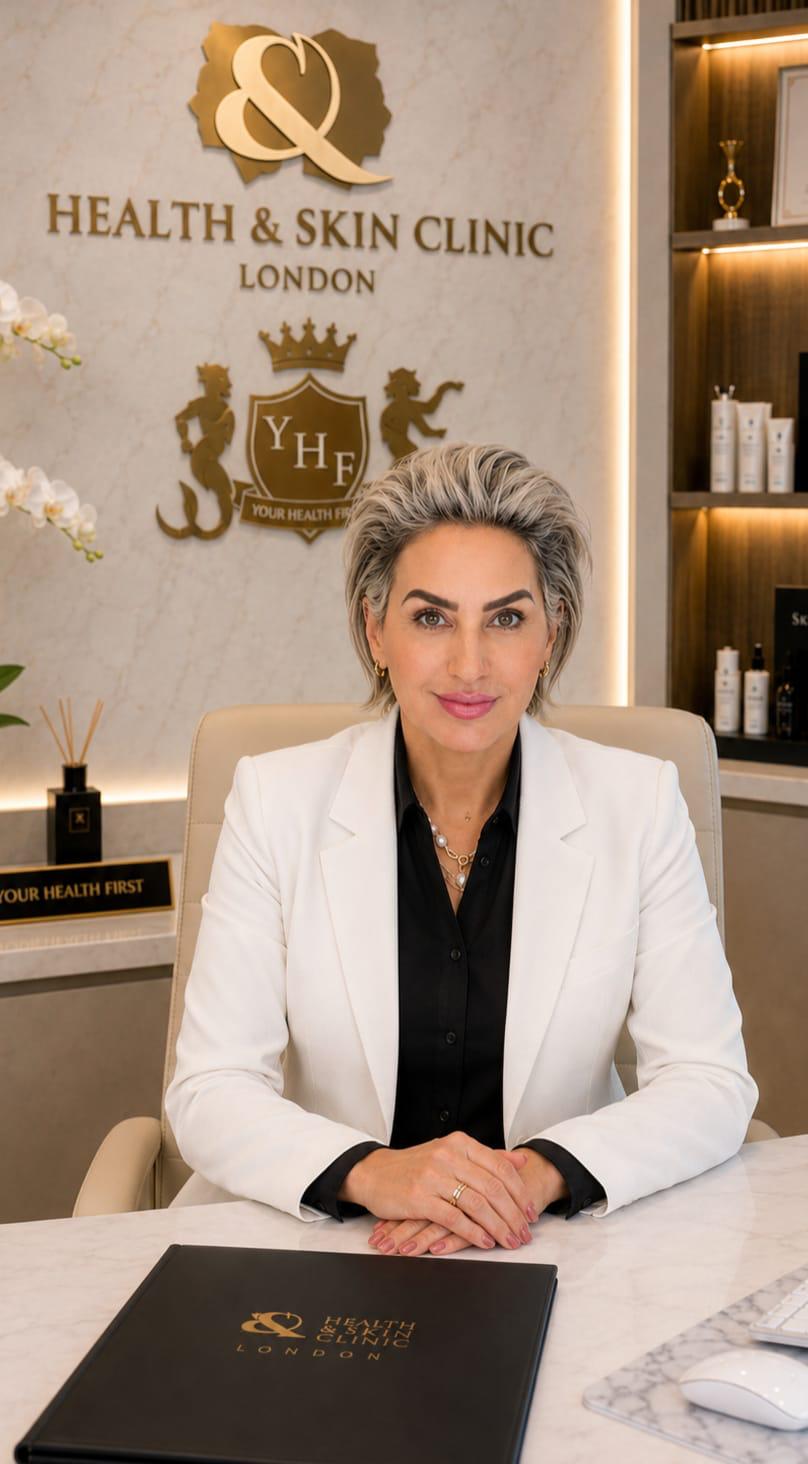
Dr. Sofia Bouzian
Medical AuthorFounder & Lead Aesthetic Practitioner • BSc, Aesthetic Medicine Specialist, Registered Phlebotomist
Renowned Harley Street aesthetic practitioner specializing in regenerative medicine, facial contouring, and advanced autologous therapies.
PRP Hair Loss Consultations
Book an in-depth scalp analysis with Dr. Sofia Bouzian at 2 Wimpole Street, London.